- Home
- Retail Store Cleaning
Retail Store Cleaning Services in Honolulu
Breezy Cleaning Services provides retail store cleaning services in Honolulu for shops needing organized care across sales floors, fitting rooms, entrances, and shared customer areas.
Residential Cleaning
Commercial Cleaning

Why Store Cleanliness Is Always Critical For Maintenance
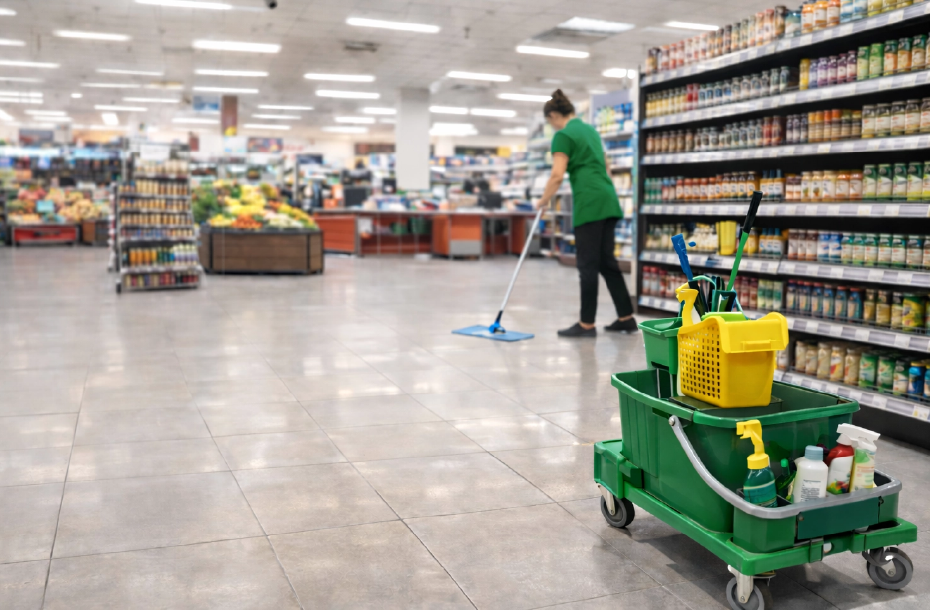
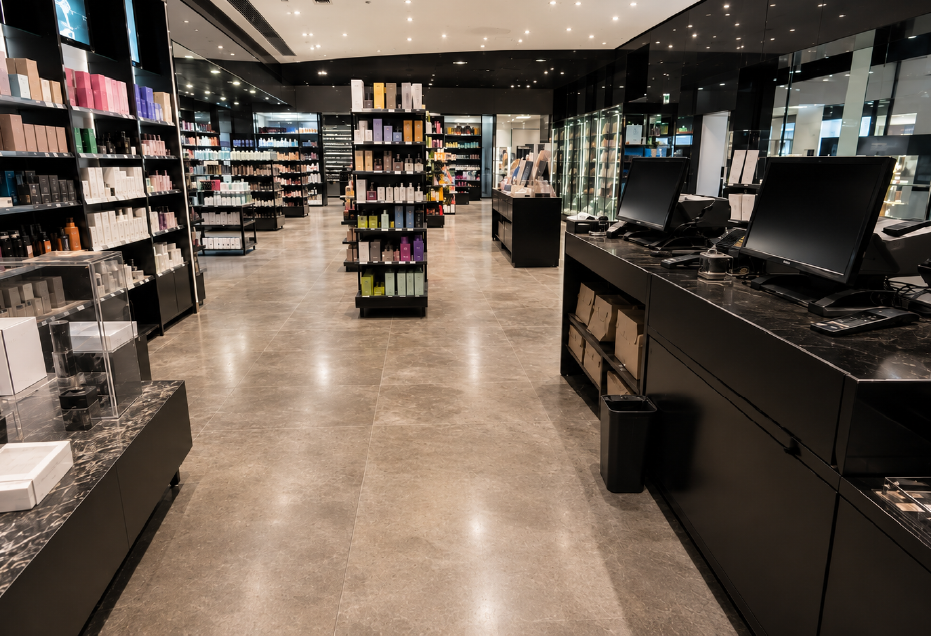
Retail cleaning affects more than appearance. Customers notice entry floors, fitting rooms, display areas, counters, and the routes they follow through the store. Dust around merchandise, debris near entrances, or visible floor marks can distract from an otherwise organized shopping environment.
A retail store also changes throughout the day as customers browse, employees restock products, and deliveries move through back areas. Breezy Cleaning Services considers these activity patterns when discussing retail cleaning services. The cleaning plan should support the way the store operates, rather than applying the same priorities to every shop, showroom, or customer-facing property. Businesses comparing wider facility options can review commercial cleaning services.
Entry Areas
Store entrances often collect tracked-in soil before it reaches sales floors and customer pathways.
Sales Floors
Product browsing, carts, displays, and repeated foot traffic can affect floor appearance throughout the day.
Fitting Rooms
Compact changing areas may require frequent attention because of clothing tags, dust, and customer use.
Stock Areas
Back rooms create different cleaning needs from the polished spaces customers see during business hours.
Protecting Access To Products & Customers With Proper Retail Cleaning
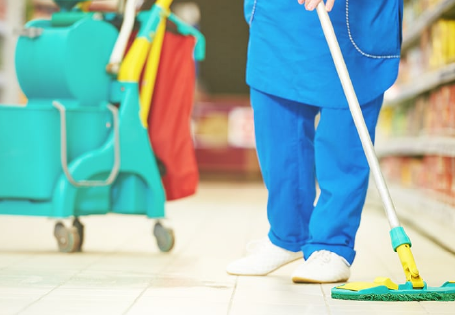
Shop cleaning services require careful coordination because merchandise, display fixtures, shelving, and customer movement can limit access. Cleaning around an active sales floor differs from working in an empty office or closed facility. The business should identify which areas can be serviced during operating hours and which tasks require a quieter window.
Floor care may also need separate planning. High-traffic entrances and checkout routes can develop visible wear sooner than lower-use areas, making commercial floor cleaning relevant for some properties. Stores seeking repeat maintenance may also consider janitorial cleaning services, while administrative rooms may align more closely with office cleaning services.
Store Details To Confirm First
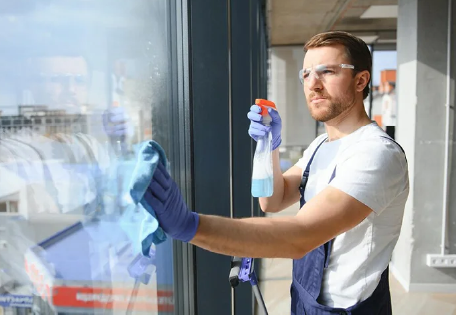
Before service begins, the retailer should identify sales-floor boundaries, fitting rooms, stockrooms, flooring, display restrictions, access times, and areas that must remain open. Storefront glass, display dusting, after-hours retail cleaning, shopping-center common areas, and carpet equipment requirements should only be included when directly confirmed.
- Merchandise Zones Protected Carefully
- Display Access Rules Documented
- Fitting Room Tasks Separated
- Checkout Paths Prioritized First
- Stockroom Boundaries Marked Clearly
- Entrance Soil Patterns Reported
- Store Hours Shared Early
- Fixture Movement Needs Clarified
- Customer Routes Kept Open
- Closing Procedures Confirmed Beforehand
Breezy Cleaning Services keeps store cleaning focused on defined retail areas without assuming responsibility for mall-managed spaces or specialized glass work. Businesses may also review restaurant cleaning services for food-service properties. Retail cleaning in Ala Moana and retail cleaning in Kapolei can be discussed according to location, store access, and availability.
Better Retail Cleaning Starts With Smarter Timing
Retail store cleaning services in Honolulu should be arranged around customer flow, restocking activity, deliveries, and store hours. Cleaning at the wrong time can restrict access to merchandise or create unnecessary disruption. A clearly sequenced plan helps prioritize visible areas while respecting product displays, employee duties, and the parts of the store that must remain operational.
Frequently Asked Questions
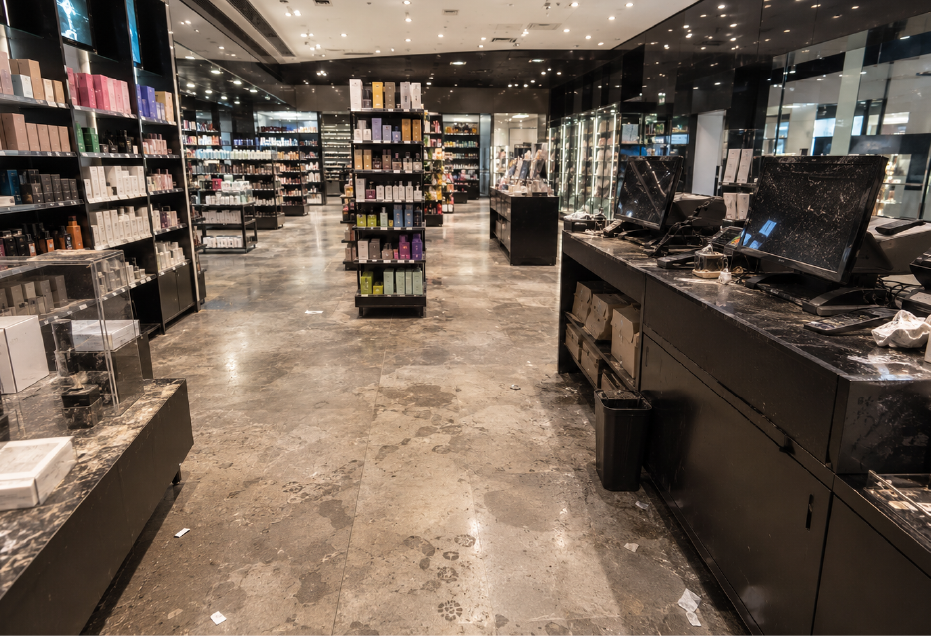
Retail operators often need clarity about cleaning around merchandise, fitting rooms, customer traffic, stockrooms, and shopping-center responsibilities. These answers address the operational questions that affect service scope, timing, and access inside active stores.
Can retail cleaning be completed while customers are shopping?
Some tasks may be completed during operating hours when they do not restrict customer movement or create wet-floor and equipment concerns. The store should identify busy periods, essential pathways, and areas that must remain accessible so the work can be sequenced without unnecessary disruption.
Are display shelves cleaned without moving the merchandise?
Accessible display surfaces may be discussed, but merchandise should not be moved without clear permission. Fragile, high-value, or carefully arranged products can limit cleaning access. Retailers should define which fixtures may be touched and whether employees will clear or reposition merchandise beforehand.
Who is responsible for cleaning shopping-center common areas?
Mall corridors, shared restrooms, parking access, and other common areas may be managed by the property owner or shopping-center operator rather than an individual store. Retailers should confirm their leased boundaries before requesting service so the cleaning scope does not include areas outside their control.
Can fitting rooms and stockrooms follow the same cleaning schedule?
Fitting rooms may need attention based on customer volume, while stockrooms are affected by deliveries, cartons, shelving, and employee access. These spaces often require different frequencies and task lists. Scheduling should reflect how each area is used rather than placing both under one routine.
Does retail cleaning include carpet care or storefront glass?
Carpet care and storefront glass should be confirmed separately because they may require different equipment, access, or service methods. The retailer should identify carpeted areas, glass surfaces, height restrictions, and visible concerns before assuming they are included within general store cleaning.