- Home
- Post-Construction Cleaning
Post-Construction Cleaning Services in Honolulu
Breezy Cleaning Services provides post-construction cleaning services in Honolulu for commercial interiors affected by renovation dust, installation residue, and final project activity.
Residential Cleaning
Commercial Cleaning

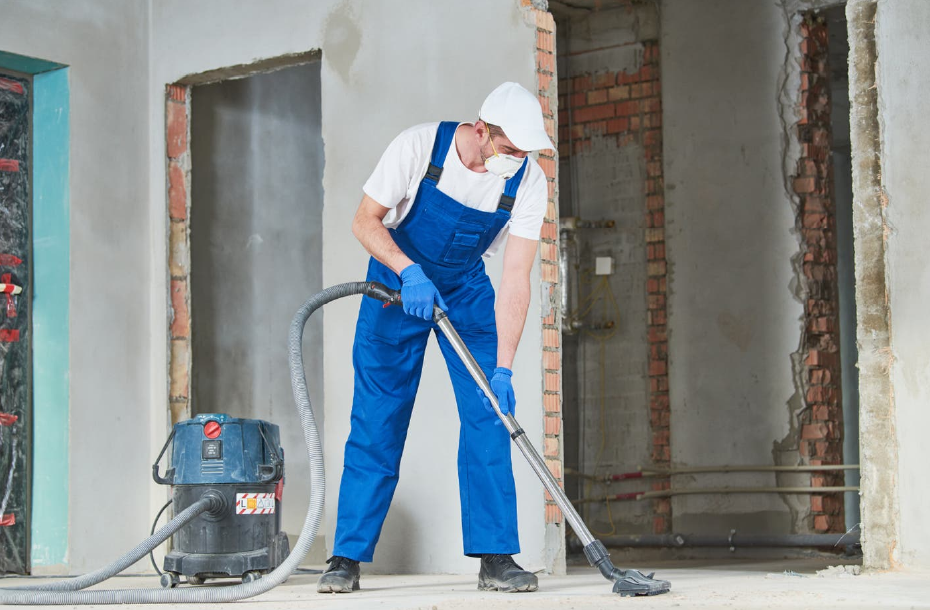
Why Construction Dust Is Difficult To Keep Within The Work Zone
Fine dust can travel beyond the room where construction occurred. Air movement, foot traffic, open doorways, equipment use, and material handling may carry residue into corridors, adjoining rooms, flooring edges, fixtures, and customer-facing areas. Even when major building work is complete, the property may still require detailed interior cleaning before normal use resumes.
Breezy Cleaning Services approaches construction cleanup by identifying where work occurred, which areas remained open, and how far dust or residue may have spread. The service should be planned after contractors finish the relevant work and remove their tools. Businesses needing broader property maintenance can also review commercial cleaning services.
Dust Migration
Fine construction residue may settle outside the immediate renovation area and across nearby surfaces.
Trade Residue
Installation work can leave adhesive marks, packaging fragments, dust, and material traces behind.
Project Sequence
Cleaning too early may lead to repeated work when contractors return for adjustments or final installations.
Reopening Readiness
The property should be reviewed before employees, tenants, customers, or equipment return to affected areas.
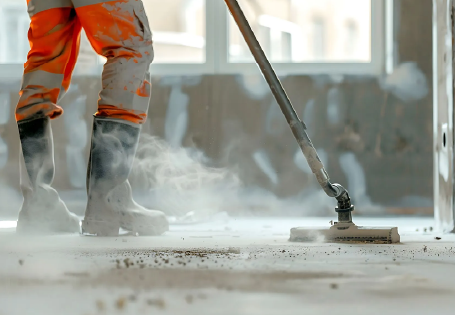

How Final Construction Cleaning Should Be Scheduled?
Post-renovation cleaning services should be coordinated with the actual project schedule. If painters, flooring installers, electricians, or other trades still need access, newly cleaned areas can quickly collect more dust and debris. Final construction cleaning is most efficient after the work zone is released and remaining contractor activity is clearly understood.
Rough cleaning and final cleaning are not interchangeable. Rough cleanup may involve large materials, packaging, or active-site debris, while final cleaning focuses more closely on interior dust, visible residue, flooring, fixtures, and surfaces. Heavy construction debris removal services should not be assumed. Customers should use master post-construction cleaning to compare broader project-cleaning needs before scheduling.
Project Details Needed Before Cleaning
Before service begins, the company should know which trades worked onsite, whether the area is fully released, what materials remain, which rooms are affected, and whether flooring or carpeting needs separate attention. Hazardous waste, bulk debris, and active construction zones fall outside ordinary cleaning unless specifically confirmed.
- Work Zones Identified Clearly
- Contractor Activity Confirmed Complete
- Dust Spread Areas Documented
- Adhesive Residue Locations Reported
- Flooring Materials Reviewed Separately
- Carpeted Areas Marked Beforehand
- Fixtures Checked For Dust
- Access Routes Planned Carefully
- Remaining Materials Disclosed Early
- Reopening Priorities Shared Clearly
Breezy Cleaning Services separates detailed interior cleanup from contractor hauling and specialized remediation. Businesses may also require commercial floor cleaning or commercial carpet cleaning after construction. Construction cleanup in Kapolei and construction cleaning in Kakaako can be discussed according to site condition and availability.
Cleaning Quality Depends On Project Timing
Post-construction cleaning services in Honolulu should begin when the site is ready for final interior attention, not while major work is still creating new residue. Accurate timing helps reduce repeated cleaning, improves access to completed surfaces, and allows the company to distinguish ordinary dust from materials requiring contractor removal or specialized handling.
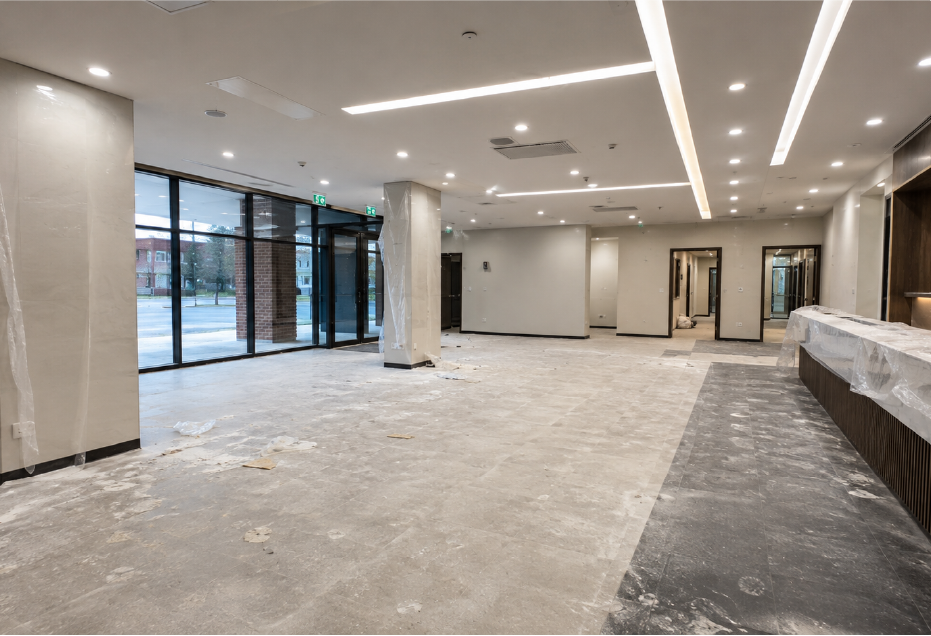
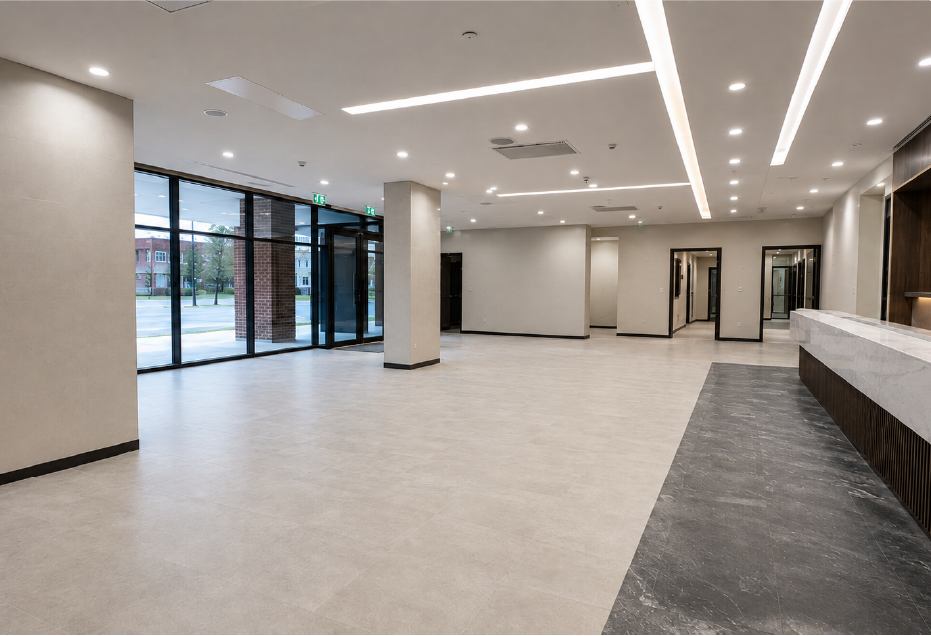
Frequently Asked Questions
Commercial construction cleanup raises practical questions about timing, debris, project stages, flooring, and hidden dust. These answers explain what property managers, contractors, and business owners should confirm before requesting final interior cleaning.
What is the difference between rough and final construction cleaning?
Rough cleaning generally occurs earlier and may involve larger material remnants, packaging, and basic site clearing. Final cleaning takes place closer to project completion and focuses on settled dust, visible residue, fixtures, floors, and completed interior areas. Exact responsibilities should be confirmed before service.
When should post-construction cleaning be scheduled?
Scheduling is usually most effective after relevant trades finish, tools are removed, and the area is released for cleaning. If contractors return afterward, fresh dust or debris may be created. Property contacts should confirm the project sequence before reserving the final cleaning visit.
Does construction cleaning include debris removal?
Ordinary cleaning may address light packaging fragments or removable surface debris, depending on the confirmed scope. Bulk materials, demolition waste, hazardous substances, sharp objects, and contractor-generated construction debris may require separate hauling or specialized disposal and should not be assumed within the service.
Can construction dust spread into areas that were not renovated?
Fine dust can travel through open doors, corridors, ventilation movement, footwear, and contractor traffic. Adjacent rooms may therefore need review even when no direct construction occurred there. Customers should identify all areas where residue is visible rather than limiting the request to the original work zone.
Are carpet and floor cleaning included after construction?
Carpeted and hard-floor areas may require separate methods, equipment, or service planning. Customers should identify each flooring type and describe visible dust, residue, or marks before scheduling. Breezy Cleaning Services can then discuss whether those needs fall within the selected construction cleaning service.