- Home
- Office Cleaning
Office Cleaning Services in Honolulu
Breezy Cleaning Services provides office cleaning services in Honolulu for workplaces that need organized care across employee areas, meeting spaces, restrooms, and shared facilities.
Residential Cleaning
Commercial Cleaning

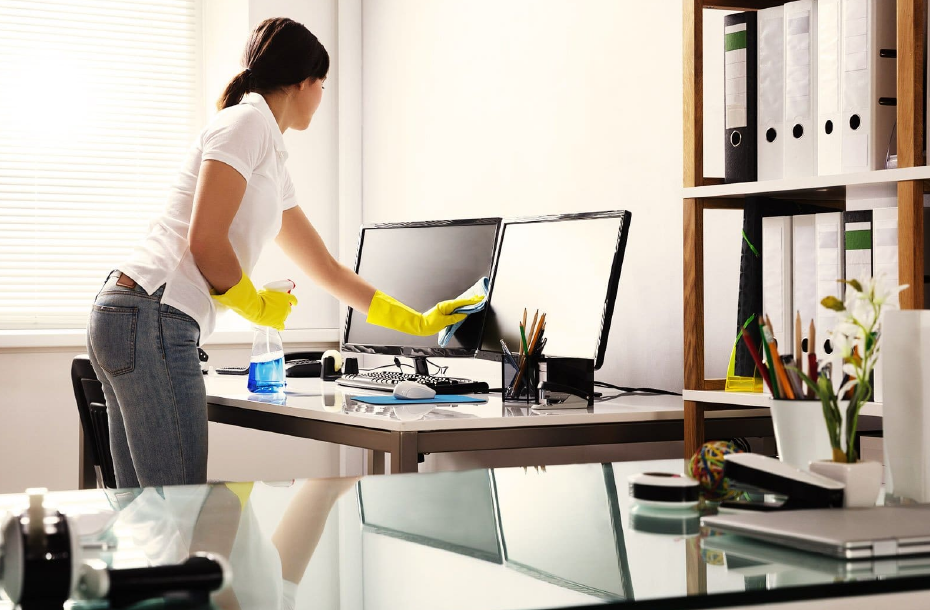
Office Cleaning Schedules For Productive Workspaces
An office changes throughout the day. Employees move between desks, meeting rooms, break areas, restrooms, and shared equipment, while clients and visitors often pass through reception areas and conference spaces. These repeated movement patterns determine where dust, floor soil, waste, and surface marks become noticeable first.
Breezy Cleaning Services approaches commercial office cleaning by reviewing how the workplace operates rather than treating every room equally. A small office with concentrated activity may require a different plan from a multi-tenant office with shared corridors, several departments, or restricted-access rooms. Businesses can also compare broader commercial cleaning services before deciding whether office-specific care or a recurring maintenance arrangement is more appropriate.
Workstation Zones
Desk clusters and surrounding floor areas may collect dust, paper debris, and repeated foot traffic.
Meeting Rooms
Conference spaces often need attention before client meetings, presentations, and internal team use.
Shared Facilities
Breakrooms, restrooms, reception areas, and corridors can affect the experience of everyone onsite.
Access Timing
Cleaning schedules should reflect employee presence, secure rooms, meetings, and building access requirements.

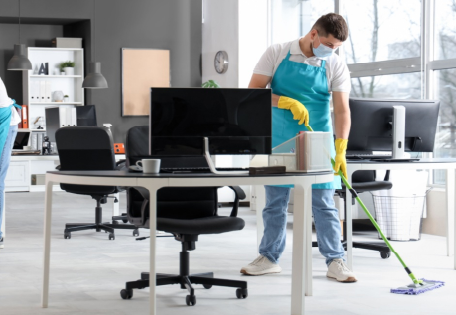
A Clean Office Is Easier To Maintain When Responsibilities Are Clear
Office cleaning becomes inconsistent when no one defines which rooms, surfaces, and recurring tasks belong within the service. Workstations may contain sensitive documents or personal items, conference rooms may require access between scheduled meetings, and breakrooms can develop food residue faster than general office areas. Clear boundaries help the cleaning plan support operations without creating confusion.
Businesses seeking routine facility maintenance may need janitorial cleaning services, while visible carpet wear may require commercial carpet cleaning. Hard flooring affected by traffic lanes, spills, or dullness should be reviewed through commercial floor cleaning rather than being treated as ordinary room cleaning.
Office Details To Confirm
Before scheduling, the business should identify included rooms, operating hours, access procedures, restricted spaces, flooring types, workstation expectations, waste locations, and any areas requiring special attention. Touchpoint disinfection, after-hours service, recycling handling, and custom service frequency should only be expected when directly confirmed.
- Workstation Boundaries Defined Clearly
- Conference Room Access Scheduled
- Breakroom Priorities Listed Separately
- Restroom Responsibilities Confirmed Early
- Waste Points Mapped Accurately
- Recycling Requests Discussed Beforehand
- Secure Areas Marked Clearly
- Floor Types Identified Properly
- Meeting Schedules Shared Early
- Facility Contacts Assigned Directly
Breezy Cleaning Services focuses on practical coordination, clear task ownership, and workplace-specific planning. Businesses may also ask about retail store cleaning for customer-facing properties. Office cleaning in Kakaako and office cleaning in Ala Moana can be discussed according to property type, access, and current availability.
Office Cleaning Quality Depending On Timing & Task Control
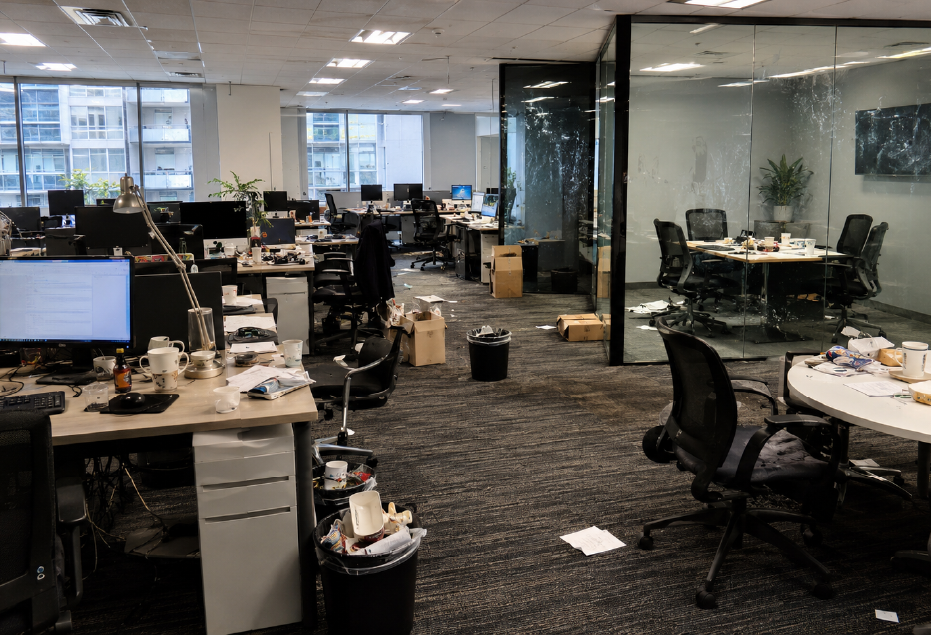
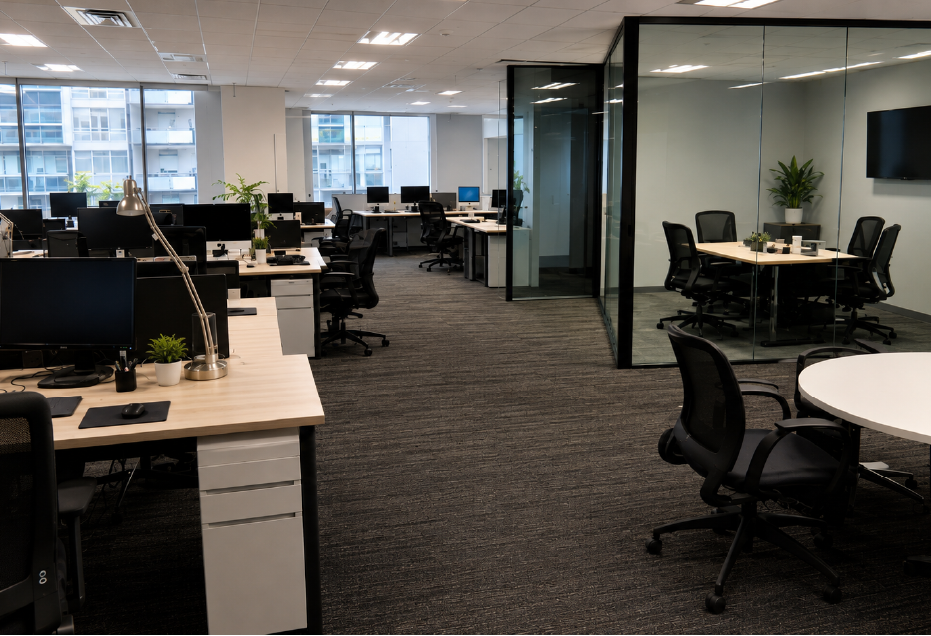
Office cleaning services in Honolulu work best when the service is organized around employee activity, room access, and the areas that influence daily operations most. A clear plan can reduce interruptions, prevent overlooked spaces, and help the business maintain a more orderly workplace without relying on assumptions about what every appointment includes.
Frequently Asked Questions
Office managers often need answers about workstation access, employee presence, service frequency, confidential materials, and the difference between office cleaning and janitorial support. These questions address the practical decisions that affect scheduling, scope, and workplace continuity.
Can office cleaners work around employees during business hours?
Some office cleaning may be completed while employees remain onsite, but suitability depends on foot traffic, meetings, equipment use, wet-floor risks, and access to shared spaces. Businesses should identify busy periods and restricted areas so the cleaning sequence can be planned with minimal disruption.
Are desks and workstations cleaned if papers or personal items are present?
Workstation surfaces may require clear access before cleaning. Papers, electronics, confidential documents, and personal belongings should not be moved without permission. The business should define which desk areas may be touched and whether employees are responsible for clearing surfaces before service.
How is office cleaning different from janitorial cleaning?
Office cleaning focuses on the needs of workplace environments, including workstations, meeting rooms, reception areas, breakrooms, and restrooms. Janitorial cleaning usually refers to an ongoing maintenance arrangement. An office may use either service depending on frequency, facility size, and operational needs.
How often should conference rooms and breakrooms be cleaned?
Frequency depends on room use, employee count, food activity, visitor volume, and internal upkeep. A heavily used breakroom may need attention more often than a conference room used occasionally. Scheduling should follow actual usage patterns rather than applying one frequency to every space.
Can office carpet and hard floors be cleaned during the same appointment?
Carpet and hard flooring may require different methods, equipment, access, and drying conditions. Both can potentially be discussed within one service plan, but businesses should identify each floor type in advance so timing, sequencing, and any separate treatment requirements can be confirmed.