- Home
- Restaurant Cleaning
Restaurant Cleaning Services in Honolulu
Breezy Cleaning Services provides restaurant cleaning services in Honolulu for dining areas, customer routes, floors, and other confirmed spaces affected by daily food-service activity.
Residential Cleaning
Commercial Cleaning

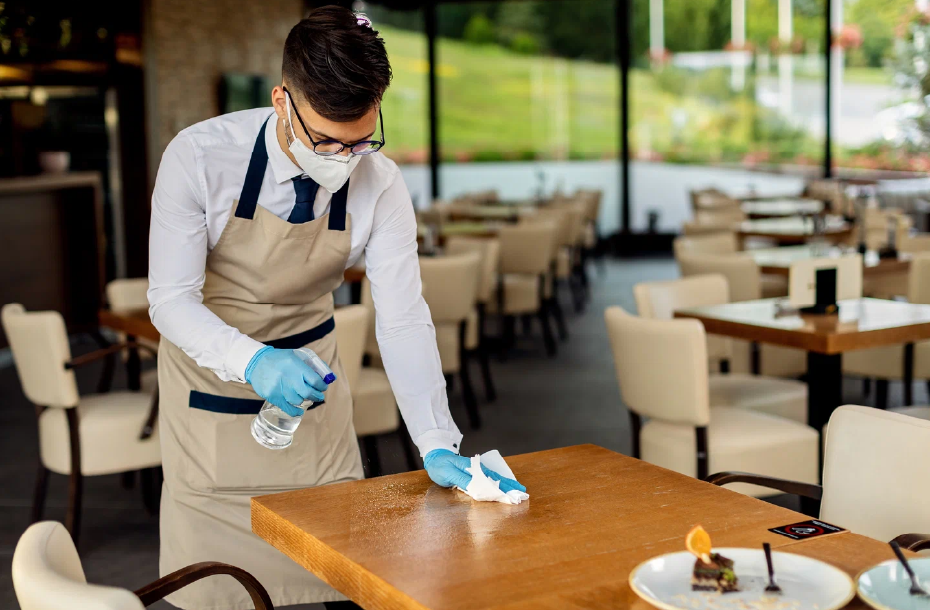
Different Restaurant Zones Create Different Cleaning Demands
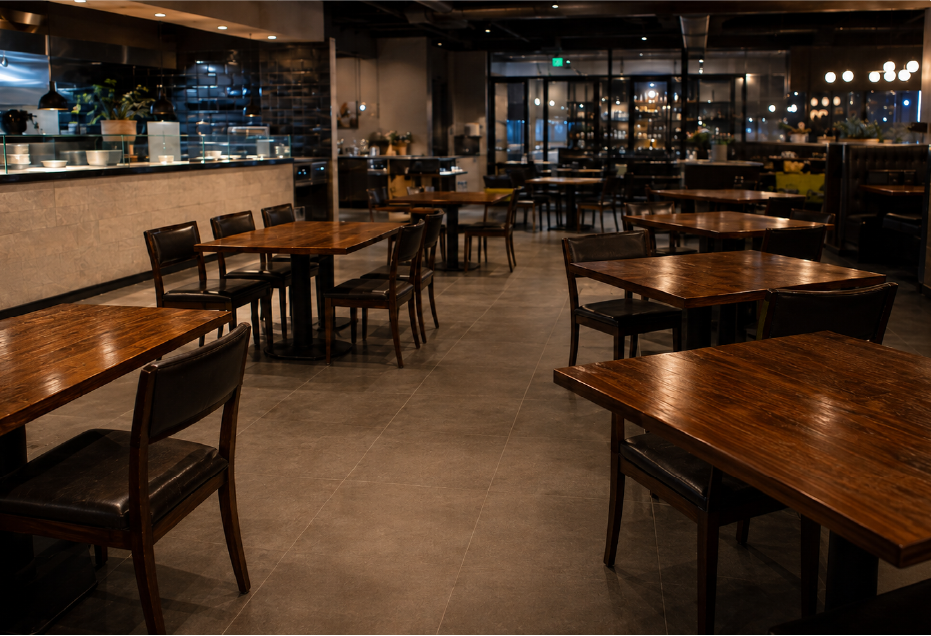
Restaurant traffic does not affect every area equally. Entrances and waiting areas collect tracked-in soil, dining floors receive repeated chair movement and foot traffic, and service routes may develop visible residue faster than lower-use spaces. The cleaning plan should therefore reflect how employees, guests, and deliveries move through the property.
Front-of-house cleaning may focus on presentation across dining areas, entry points, and customer-facing surfaces. Back-of-house requests can involve different conditions and should be defined carefully before scheduling. Breezy Cleaning Services discusses the property layout, operating schedule, flooring, and requested areas before confirming a restaurant cleaning service. Broader facility support is available through commercial cleaning services.
Dining Traffic
Tableside movement, chair use, and repeated foot traffic can affect floors and surrounding customer areas.
Service Routes
Paths between preparation, service, and dining zones may collect residue more quickly than less-used areas.
Closing Window
Cleaning time may depend on when service ends, employees leave, and the property becomes accessible.
Surface Boundaries
Customer areas, kitchen-adjacent spaces, and equipment exteriors may require separate task confirmation.
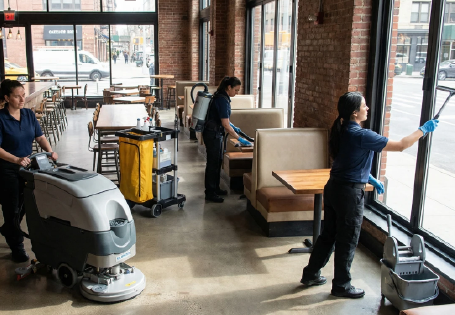
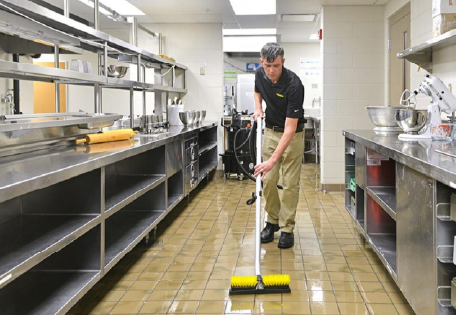
Defining Front-of-House & Back-of-House Cleaning Tasks Separately
A restaurant cleaner should not treat the entire property as one undivided space. Dining rooms, host stations, hallways, restrooms, service counters, and commercial kitchen floors can present different soil levels, access conditions, and operating constraints. Separating those zones helps the business identify which tasks are routine and which may require additional time or specialized service.
Commercial kitchen cleaning should never be assumed to include hood systems, exhaust ducts, grease traps, interior equipment cleaning, or food-safety compliance. Those tasks may fall outside general restaurant cleaning. Businesses seeking repeated upkeep can review janitorial cleaning services, while flooring concerns may be better addressed through commercial floor cleaning or commercial carpet cleaning, depending on the surface.
Restaurant Details Needed Before Scheduling
The business should identify included rooms, service hours, access procedures, flooring types, visible grease or residue, and any equipment exteriors requiring attention. Food-safe cleaning, high-touch sanitizing, health inspection preparation, and closing-time service must be confirmed rather than presented as standard inclusions.
- Dining Room Boundaries Confirmed
- Host Area Access Explained
- Service Routes Marked Clearly
- Kitchen Floor Conditions Described
- Equipment Exterior Requests Listed
- Restroom Responsibilities Defined Separately
- Closing Procedures Shared Early
- Grease Concerns Reported Honestly
- Customer Pathways Kept Accessible
- Facility Contact Information Verified
Breezy Cleaning Services separates general restaurant upkeep from specialized kitchen or exhaust-system work. Businesses may also ask about office cleaning services for administrative areas. Restaurant cleaning in Waikiki and restaurant cleaning in Ala Moana can be discussed according to property access, requested tasks, and availability.
Restaurant Cleaning Must Work Around Service Hours
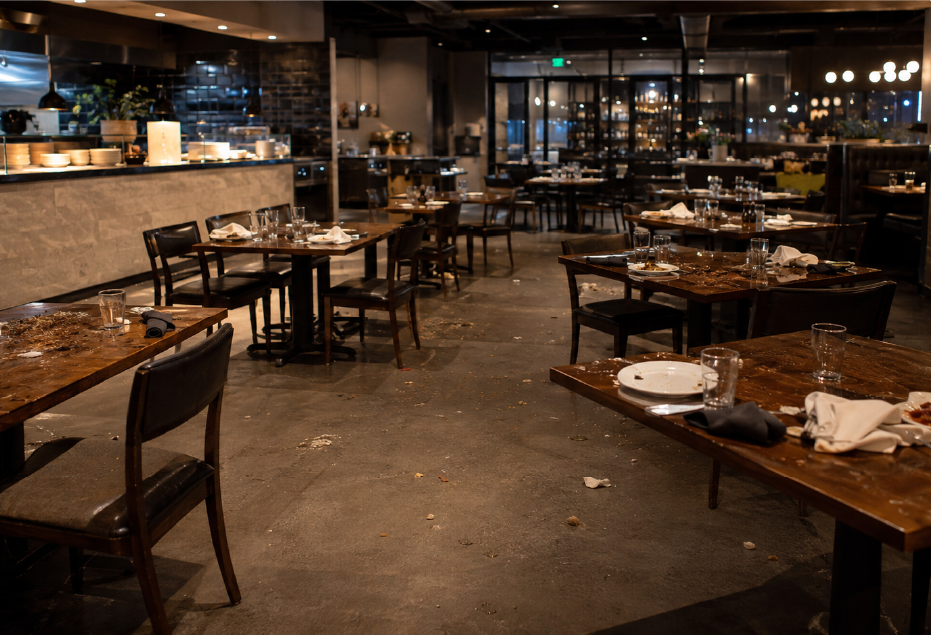
Effective restaurant cleaning services in Honolulu require clear timing, defined zones, and realistic access. Wet floors, equipment movement, employees completing closing duties, and late customer departures can all affect the cleaning sequence. Planning around those conditions helps reduce overlap between service operations and the areas being cleaned.
Frequently Asked Questions
Restaurant operators often need clarity about kitchen scope, floor care, closing-time access, grease buildup, and inspection-related expectations. These answers address the practical limits and planning questions that should be resolved before service begins.
Does restaurant cleaning include commercial kitchen equipment?
Equipment exteriors may be discussed when they are accessible and included in the confirmed scope. Interior ovens, fryers, refrigerators, cooking systems, exhaust components, and grease traps should not be assumed. These areas may require specialized procedures, shutdown conditions, or another qualified service provider.
Can restaurant floors be cleaned immediately after closing?
Cleaning may begin after closing when customers have left, employees have completed necessary duties, and the area is accessible. Hot equipment, active food preparation, deliveries, wet surfaces, or remaining staff movement can delay floor work. Exact timing should be coordinated with the closing routine.
Can general restaurant cleaning remove heavy grease buildup?
Removable surface residue may improve through cleaning, but heavy or long-standing grease can require specialized degreasing, repeated treatment, or equipment-specific service. Results depend on the surface, residue depth, previous maintenance, and whether the affected area falls within the confirmed cleaning scope.
Does restaurant cleaning prepare a business for a health inspection?
Cleaning can support general property presentation, but it cannot guarantee inspection readiness or compliance. Health inspections may evaluate food storage, temperatures, employee practices, pest control, equipment condition, and other operational requirements beyond cleaning. The restaurant remains responsible for meeting applicable standards.
How often should dining areas and restaurant floors be professionally cleaned?
Frequency depends on customer volume, operating days, floor material, food and beverage spills, weather exposure, and the restaurant’s internal maintenance routine. High-traffic entrances and service routes may need attention sooner than low-use sections, so scheduling should follow actual wear patterns.