- Home
- Commercial Floor Cleaning
Commercial Floor Cleaning Services in Honolulu
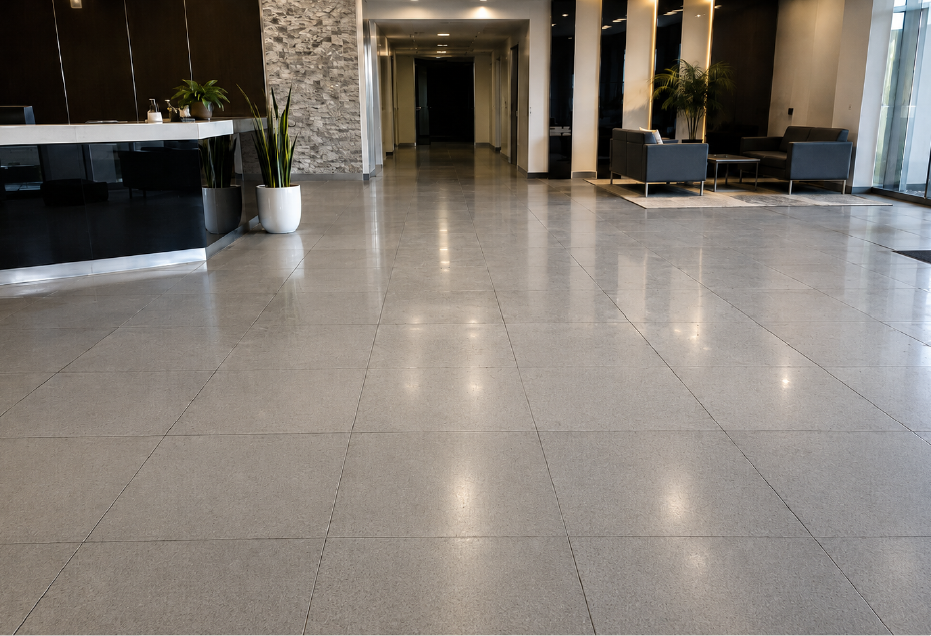
Breezy Cleaning Services provides commercial floor cleaning services in Honolulu for business interiors where repeated traffic, tracked-in soil, and daily operations affect hard flooring.
Residential Cleaning
Commercial Cleaning

Floor Care Starts With Identifying The Surface
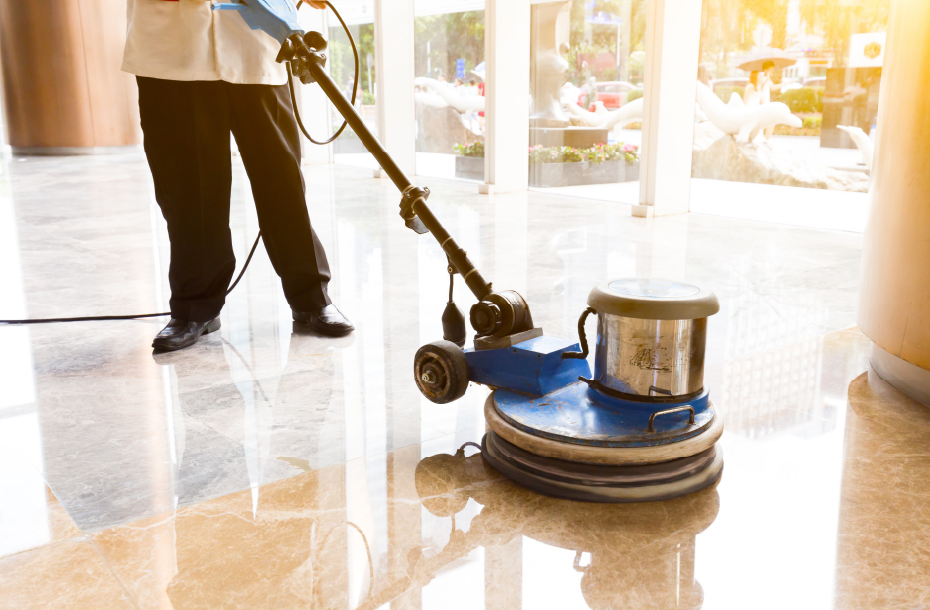
Commercial floors may look similar while requiring very different care. Vinyl composition tile, ceramic tile, grout lines, sealed surfaces, and other hard flooring can respond differently to moisture, agitation, cleaning products, and equipment. Treating every floor with the same process may produce inconsistent results or affect an existing finish.
Traffic patterns also matter. Entrances, checkout lanes, dining routes, corridors, and service counters usually collect soil faster than low-use areas. Breezy Cleaning Services reviews the flooring type, visible condition, business activity, and affected zones before discussing an appropriate commercial floor cleaning service. Businesses needing broader interior upkeep can also explore commercial cleaning services.
Surface Type
Floor material and existing finish help determine which cleaning approach may be appropriate.
Traffic Wear
Repeated foot traffic can create darker routes, dull sections, and an uneven appearance across the facility.
Soil Sources
Outdoor debris, spills, food residue, and workplace activity can affect different areas in different ways.
Finish Condition
A worn floor finish may require a different service from ordinary hard floor cleaning.
Floor Maintenance Should Match The Existing Finish
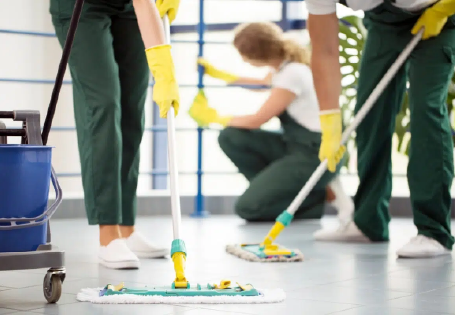
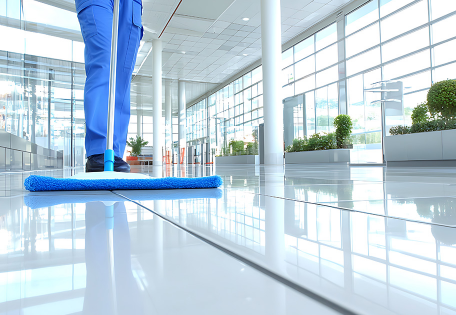
Routine floor cleaning, buffing, burnishing, and floor stripping and waxing are not interchangeable services. Standard cleaning focuses on removable soil, while buffing or burnishing may address the appearance of a compatible finish. Strip-and-wax work involves removing an existing finish and applying a new one, so it should only be discussed after confirming the flooring material and available service capabilities.
Restaurants, stores, offices, and shared commercial properties also create different maintenance demands. Restaurant cleaning services may involve dining and service-area traffic, while retail store cleaning focuses more heavily on customer routes and sales floors. Businesses needing repeated upkeep can review janitorial cleaning services, while construction residue may require post-construction cleaning before ordinary maintenance begins.
Floor Details Needed Before Service
Before scheduling, businesses should identify the flooring material, affected square footage, existing finish, visible buildup, previous treatments, operating hours, and areas that must remain accessible. Tile and grout cleaning, vinyl floor care, stripping, waxing, buffing, burnishing, and slip-resistant treatments require separate confirmation.
- Flooring Materials Identified Accurately
- Existing Finish Condition Documented
- Traffic Routes Mapped Clearly
- Spill Areas Reported Early
- Previous Treatments Disclosed Beforehand
- Grout Concerns Marked Separately
- Furniture Access Needs Clarified
- Operating Hours Shared First
- Drying Restrictions Discussed Clearly
- Maintenance Goals Defined Realistically
Breezy Cleaning Services keeps floor care grounded in material compatibility and actual traffic conditions rather than applying one process everywhere. Businesses may also request commercial cleaning in Ala Moana based on facility needs. Commercial cleaning in Kapolei can be discussed separately according to location and availability.
Better Floor Results Depending On Process Compatibility
Commercial floor cleaning services in Honolulu should protect the function of the floor as well as its appearance. The correct approach depends on material, finish, soil type, previous maintenance, and how quickly the area must reopen. Confirming these details reduces the risk of choosing a treatment that does not match the surface.
Frequently Asked Questions
Commercial floor care decisions often involve surface compatibility, finish condition, maintenance frequency, reopening time, and whether ordinary cleaning is enough. These answers address the questions facility managers commonly compare before approving work.
How can I tell whether a floor needs cleaning, buffing, or stripping and waxing?
Cleaning addresses removable soil and residue, while buffing or burnishing may improve the appearance of a compatible existing finish. Stripping and waxing is more extensive because the old finish is removed and replaced. The right service depends on floor material, finish condition, wear patterns, and previous maintenance.
Can the wrong cleaning method damage commercial flooring?
An unsuitable chemical, pad, machine, or moisture level can affect certain surfaces or finishes. Vinyl composition tile, grout, sealed floors, and specialty materials may have different limitations. Businesses should identify the flooring type and disclose previous coatings before any treatment is selected.
Why do high-traffic lanes stay dull after routine floor cleaning?
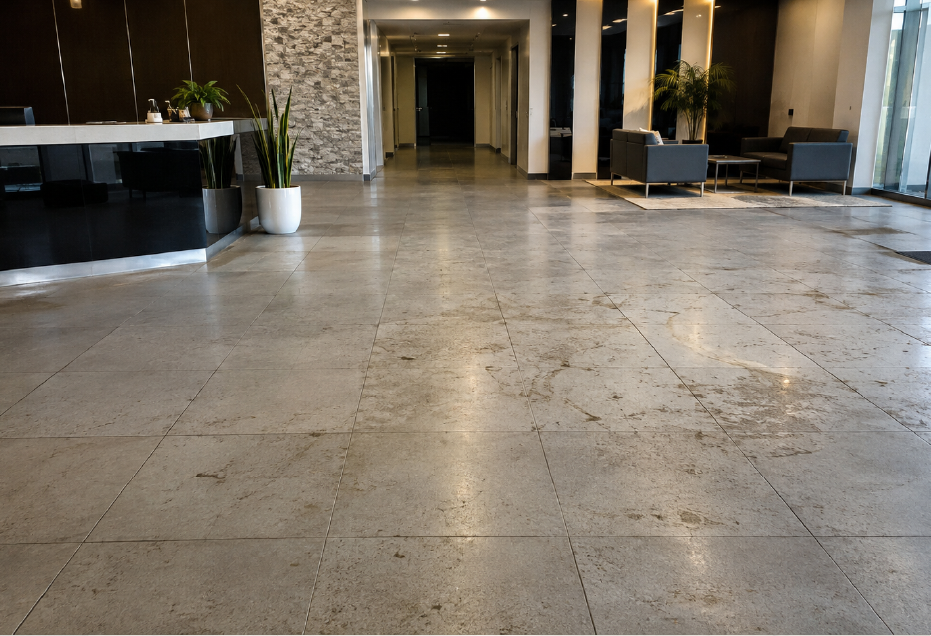
Dull traffic lanes may result from embedded soil, finish wear, scratches, repeated abrasion, or uneven maintenance rather than surface dirt alone. Routine cleaning can remove loose residue, but it may not restore a damaged or worn finish. Further evaluation may be needed before recommending another process.
How often should commercial hard floors receive professional maintenance?
Frequency depends on customer traffic, entrance exposure, spill activity, flooring material, finish durability, and appearance standards. A restaurant walkway or retail entrance may need attention sooner than a low-use office corridor. Maintenance should follow visible wear and operational demand rather than one universal schedule.
Can floor cleaning be completed while customers or employees remain onsite?
Some areas may remain operational when work is divided into zones, but wet surfaces, equipment movement, drying time, and access restrictions can affect safe circulation. The business should identify essential pathways and operating hours so sequencing can be discussed before the service begins.