- Home
- Commercial Carpet Cleaning
Commercial Carpet Cleaning Services in Honolulu
Breezy Cleaning Services provides commercial carpet cleaning services in Honolulu for offices, restaurants, and business facilities with worn traffic lanes and heavily used carpeted areas.
Residential Cleaning
Commercial Cleaning

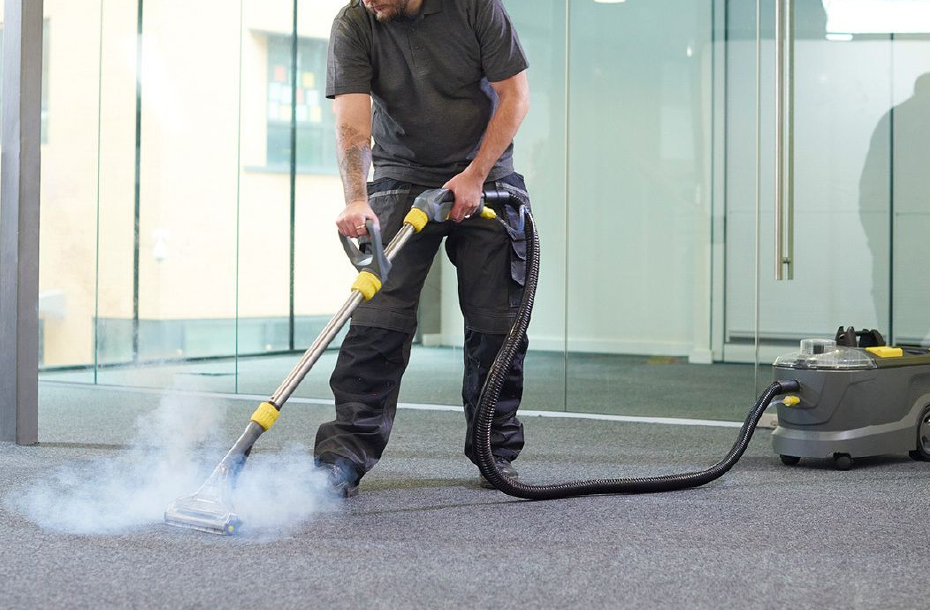
Why Commercial Carpet Wears In Predictable Patterns
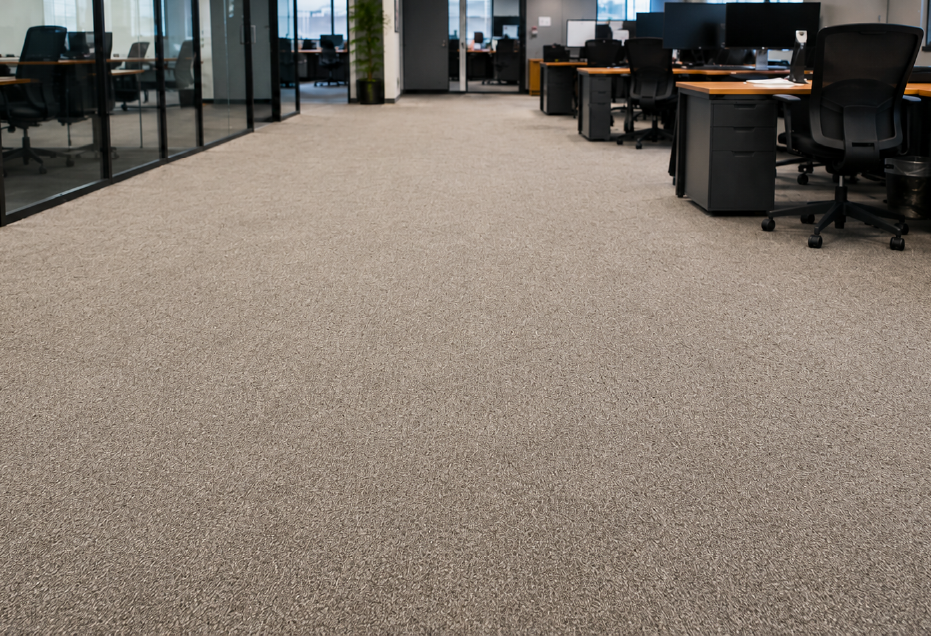
Commercial carpeting rarely becomes soiled at the same rate across an entire facility. Entry points may collect tracked-in dirt first, while corridors develop darker lanes where employees and visitors follow the same route each day. Carpet around office cubicles, reception desks, dining areas, and shared workspaces may also show concentrated wear before low-use sections appear affected.
Cleaning decisions should reflect those traffic patterns rather than treating every square foot equally. Breezy Cleaning Services reviews how each area is used, where visible concerns appear, and when the space must return to normal operation. Businesses needing broader building upkeep can also explore commercial cleaning services alongside carpet-specific care.
Entry Soil
Exterior debris often reaches entrance carpeting before spreading along interior walking routes.
Traffic Lanes
Repeated movement can create visible paths through corridors, workspaces, and customer areas.
Furniture Zones
Desks, tables, and fixtures may restrict access or conceal differences in carpet condition.
Reopening Needs
Drying conditions and room demand can influence how carpeted areas are cleaned in sequence.
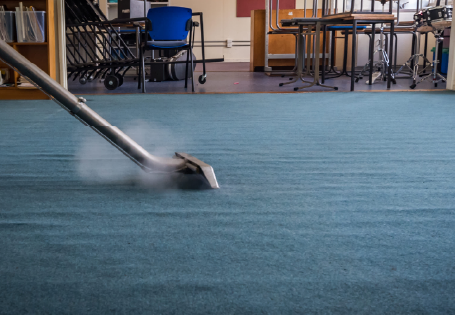
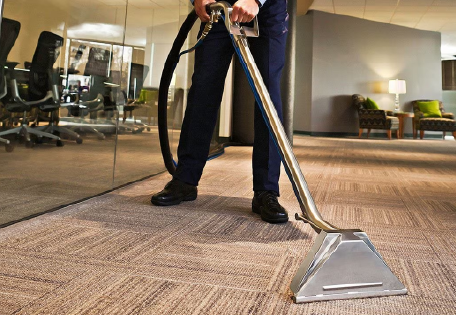
Why Office Carpet Cleaning Should Follow The Way Work Moves
A business carpet cleaning plan should account for activity around workstations, conference rooms, reception areas, and shared pathways. Carpet beneath fixed furniture may not require the same approach as exposed traffic lanes, while frequently used entrances may need attention sooner than private rooms. Clear zoning helps prioritize the areas most visible to employees, clients, and visitors.
Restaurant carpet cleaning presents a different pattern because dining routes, host areas, and customer walkways may experience repeated traffic throughout service hours. Businesses needing broader room and surface care can review office cleaning services or restaurant cleaning services. Hard flooring should be addressed separately through commercial floor cleaning, since carpet and non-carpet surfaces require different planning.
Information Needed Before Carpet Service
Before scheduling, businesses should identify carpeted rooms, visible traffic lanes, movable furniture, access restrictions, operating hours, and areas that must reopen first. Equipment type, low-moisture methods, truck-mounted extraction, stain treatments, and after-hours scheduling should only be expected after the company confirms availability and suitability.
- Entrance Carpet Conditions Documented
- Corridor Traffic Routes Identified
- Cubicle Access Requirements Clarified
- Reception Zones Ranked First
- Dining Paths Reviewed Separately
- Furniture Movement Discussed Beforehand
- Visible Spots Marked Clearly
- Business Hours Shared Early
- Drying Access Needs Confirmed
- Maintenance Timing Planned Realistically
Breezy Cleaning Services separates carpet care from general floor maintenance and avoids promising uniform results across every material or stain. Businesses may also ask about residential carpet cleaning for household properties. Commercial cleaning in Kakaako and commercial cleaning in Ala Moana can be discussed according to facility type and current availability.
Better Sequencing Reduces Disruption Inside The Facility
Commercial carpet cleaning services in Honolulu should be planned around how each room functions after cleaning, not only how it appears beforehand. Dividing a facility into working zones can help businesses maintain access to unaffected areas while treated sections dry. Actual sequencing depends on room use, furniture placement, carpet condition, ventilation, and operating requirements.
Frequently Asked Questions
Commercial carpet care involves operational questions that do not arise in most residential settings. Businesses often need guidance about furniture access, drying windows, traffic lanes, scheduling, and whether an isolated spot or a broader carpeted area should be addressed.
Can office carpet be cleaned without moving every desk?
Some exposed carpet may be cleaned without removing every workstation, but access depends on furniture placement, equipment clearance, and the confirmed service area. Businesses should identify movable chairs, files, cords, floor mats, and restricted spaces so the available carpet can be evaluated before work begins.
How long must commercial carpet remain out of use?
Reopening time depends on the cleaning method, carpet density, ventilation, indoor humidity, room temperature, and the amount of moisture applied. A universal drying period is unreliable. Businesses should discuss when each area must return to use so sequencing and access expectations can be planned realistically.
Is spot treatment enough for dark traffic lanes?
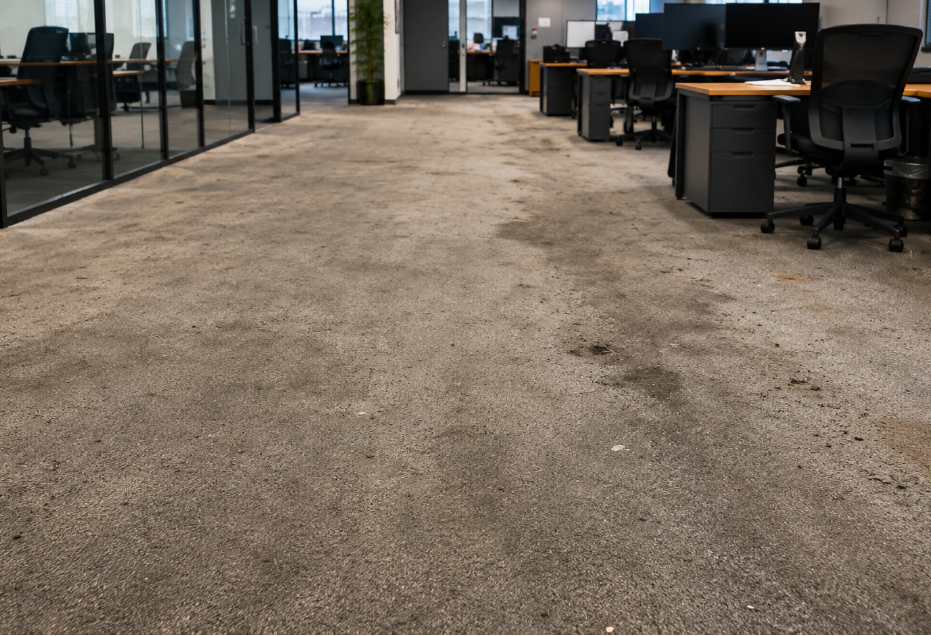
A dark traffic lane is often caused by repeated soil accumulation across a larger pathway rather than one isolated spill. Treating a single spot may not create an even appearance. Carpet wear, fiber damage, old residue, and previous treatments can also limit how much visual improvement cleaning produces.
Can commercial carpet cleaning happen after business hours?
Evening or after-hours service may be discussed when scheduling availability, building entry, alarm procedures, facility contacts, and access permissions allow it. Businesses should not assume night cleaning is automatically available. All timing and entry requirements should be confirmed before the service date.
How often should high-traffic business carpet be cleaned?
Cleaning frequency may depend on daily foot traffic, entrance exposure, carpet color, facility type, customer activity, and appearance expectations. A heavily used reception corridor may need attention sooner than a private office. Businesses should review visible soil patterns rather than rely on one schedule for every area.